









ADA Compliance Services
ADA compliance services ensure your digital presence is accessible to people with disabilities, protecting your organisation from legal risks whilst expanding your audience reach. HumansWithAI delivers comprehensive solutions from audits to implementation, helping your website meet web accessibility standards and create better experiences for all users.
Comprehensive ADA Compliance Solutions
Creating an inclusive digital experience requires a multifaceted approach. The journey to ADA conformity involves several critical components working together to ensure your online platform is available to everyone, including those with disabilities.
HumansWithAI offers a complete suite of ADA website compliance solutions designed to address every aspect of digital accessibility. Each service can be implemented individually or as part of a comprehensive strategy, depending on your organisation’s specific needs and goals.
Website Accessibility Audit
A thorough web accessibility testing forms the foundation of effective compliance strategies. This comprehensive evaluation identifies barriers that might prevent users with disabilities from fully engaging with your web property.
Professional auditors use automated tools and manual testing to evaluate your online platform against established guidelines, primarily the Web Content Accessibility Guidelines (WCAG). This combination of testing methodologies ensures no inclusion issues go unnoticed and that your digital property can achieve WCAG conformance.
The audit process examines various aspects of your digital presence, including:
- Navigation structure and keyboard access
- Colour contrast and visual presentation
- Alternative text for images and non-text elements
- Form functionality and error handling
- Media accessibility including captions and audio descriptions
- Document accessibility for PDFs and downloadable content
- Screen reader compatibility across critical user journeys
Following the audit, you'll receive a detailed report highlighting identified issues, their severity, and specific recommendations for remediation. This actionable roadmap prioritises fixes based on impact and implementation complexity, helping you make strategic decisions about your journey toward web accessibility. Many clients find this serves as a valuable ADA compliance checklist for websites during implementation phases.
For organisations seeking continuous improvement, regular SEO audits can complement your digital accessibility efforts, ensuring your online property remains both accessible and discoverable.

WCAG Implementation
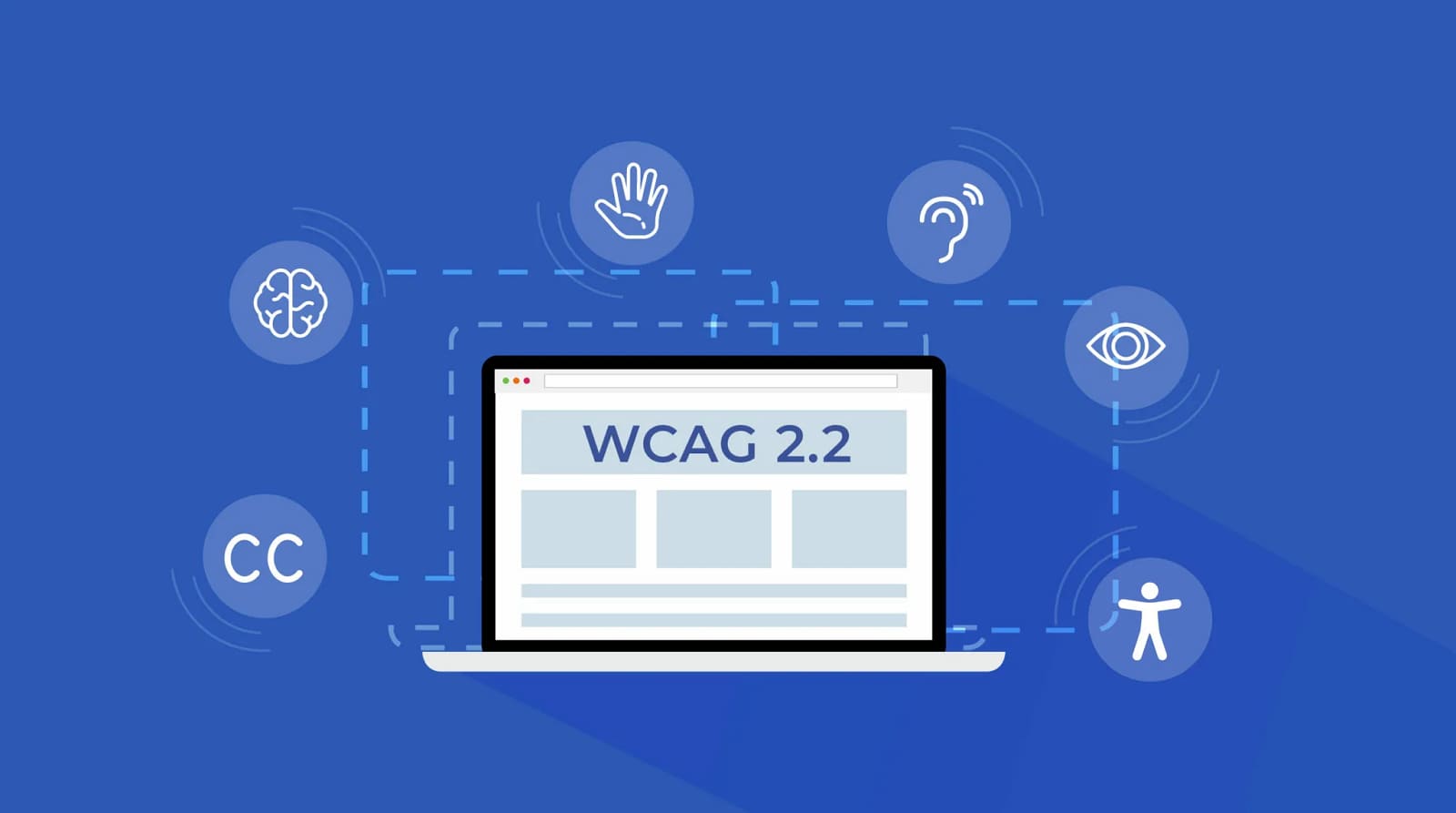
Once barriers have been identified, the next step involves implementing solutions that align with the Web Content Accessibility Guidelines (WCAG). These internationally recognised standards provide a framework for creating inclusive website content.
Expert implementation teams work methodically to address identified barriers, transforming your digital presence into an inclusive experience. The implementation process typically includes restructuring navigation for keyboard access, enhancing form functionality with appropriate labels and error messages, implementing proper heading hierarchy for screen reader users, optimising colour contrast for users with visual impairments, adding descriptive alternative text to images, and ensuring proper focus indicators for interactive elements.
Each implementation aligns with specific WCAG success criteria, ensuring comprehensive compliance with recognised standards. Depending on your organisation's goals, implementation can target various WCAG conformance levels, with Level AA being the commonly accepted standard for ADA compliance.
Successful WCAG implementation often requires adjustments to your web property's code, content, and structure. For organisations with complex content management needs, integrating content management systems designed with digital accessibility in mind can simplify ongoing maintenance.
Content Accessibility Optimization
Beyond technical implementation, content optimization ensures that all information on your website is perceivable and understandable by all users, regardless of ability.
Content optimisation involves reviewing and enhancing various elements, including:
- Text readability and plain language
- Document structure and formatting
- Video captioning and audio descriptions
- Data table structure and headers
- Link purpose and descriptiveness
- Form labels and instructions
This process ensures that all users, including those who rely on assistive technologies, can access and understand your content effectively. For organisations with multimedia content, this includes adding captions to videos, providing transcripts for audio, and ensuring documents are properly structured for screen reader compatibility.
Content usability isn't a one-time fix but an ongoing commitment. Many organisations benefit from establishing content guidelines and training content creators on inclusion best practices. This proactive approach integrates inclusive design into your content creation workflow, reducing the need for retroactive fixes.
Professional ADA compliance services often include content templates and training to help your team create inclusive content from the start, streamlining the ongoing maintenance of your digitally inclusive presence.
Assistive Technology Integration
Creating truly inclusive experiences means ensuring compatibility with the assistive technologies many people with disabilities rely on to navigate the web. These technologies include screen readers, speech recognition software, screen magnifiers, and alternative input devices.
Assistive technology integration involves testing your web platform with various tools to ensure proper functionality. This process typically includes screen reader compatibility testing with popular tools like JAWS, NVDA, and VoiceOver, speech recognition compatibility testing, keyboard-only navigation testing, testing with screen magnification tools, and evaluation of custom widgets and interactive elements.
This multilayered testing approach identifies compatibility issues that might not be apparent in automated scans. Expert testers work with actual assistive technologies to simulate real-world user experiences, providing valuable insights into how people with disabilities interact with your site.
For organisations seeking to enhance their digital experiences beyond basic inclusion, digital experience development services can create innovative, user-friendly interfaces that delight all users.

Compliance Monitoring & Reporting
Digital inclusion isn't a one-time project but an ongoing commitment. Websites evolve constantly—new content is added, features are updated, and designs change. Without proper monitoring, these changes can introduce new barriers, undoing previous compliance efforts.
Effective compliance monitoring includes:
- Scheduled automated scans to detect new issues
- Periodic manual testing of critical user journeys
- Accessibility helpdesk for user-reported issues
- Change management processes for maintaining accessibility
- Documentation updates reflecting current compliance status
Regular monitoring helps you maintain ADA website conformity over time, preventing regression and ensuring new content meets established standards. Detailed reports track your progress, document remediation efforts, and provide evidence of your commitment to digital inclusion.
For organisations concerned about long-term maintenance, web infrastructure maintenance services can ensure your inclusive website remains technically sound and performant while maintaining usability features.
Benefits of AI & GPT Integration
Price of ADA Compliance Services from
Choose your currency
 USD
USD
USD
USD
 AED
AED
 EUR
EUR
 GBP
GBP
 RUB
RUB
Our cases
Real-world examples of successful reputation management strategies that delivered lasting impact for our clients
Mastering Digital Accessibility: From Audit to Implementation
The journey to digital inclusion excellence follows a structured methodology that transforms inaccessible digital properties into inclusive experiences. This comprehensive approach ensures no aspect of universal design is overlooked, resulting in truly usable interfaces for people with disabilities.
Strategic Compliance Planning
Effective ADA compliance begins with strategic planning that aligns inclusion goals with organisational objectives. This foundational step establishes the framework for all subsequent efforts.
Strategic planning involves defining inclusion standards and conformance levels, establishing timelines and milestones, allocating resources and responsibilities, identifying key stakeholders and securing buy-in, and creating governance structures for ongoing compliance.
This planning phase ensures your inclusion initiative has clear direction, appropriate resources, and organisational support. For multinational organisations, strategic planning also considers various international regulations beyond the ADA, creating a unified global approach to digital inclusion.
By integrating inclusion planning with broader digital strategies, organisations can avoid siloed approaches that treat universal design as an afterthought. This integration often involves collaboration between legal, marketing, IT, and design departments, fostering a culture where inclusion becomes everyone's responsibility.
For organisations looking to enhance their strategic capabilities, AI-GPT integration can provide intelligent insights into inclusion planning and implementation prioritisation.

Accessibility Standards Integration
Transforming guidelines into practical implementation requires integrating standards into your development processes and workflows. This systematic approach ensures inclusion becomes built-in rather than bolted-on.
Standards integration typically involves:
- Developing accessibility-focused design systems
- Creating coding standards that incorporate accessibility requirements
- Establishing content creation guidelines with accessibility checkpoints
- Implementing accessibility-focused quality assurance processes
- Documenting standard solutions for common accessibility challenges
By embedding inclusive standards into existing workflows, organisations create sustainable processes that produce usable content and features by default. This integration often involves developing reusable components, templates, and patterns that have inclusion built-in, simplifying the creation of universally designed digital experiences.
For development teams, standards integration might include specific coding practices, such as semantic HTML usage, ARIA implementation where necessary, and JavaScript patterns that ensure keyboard usability and screen reader compatibility.
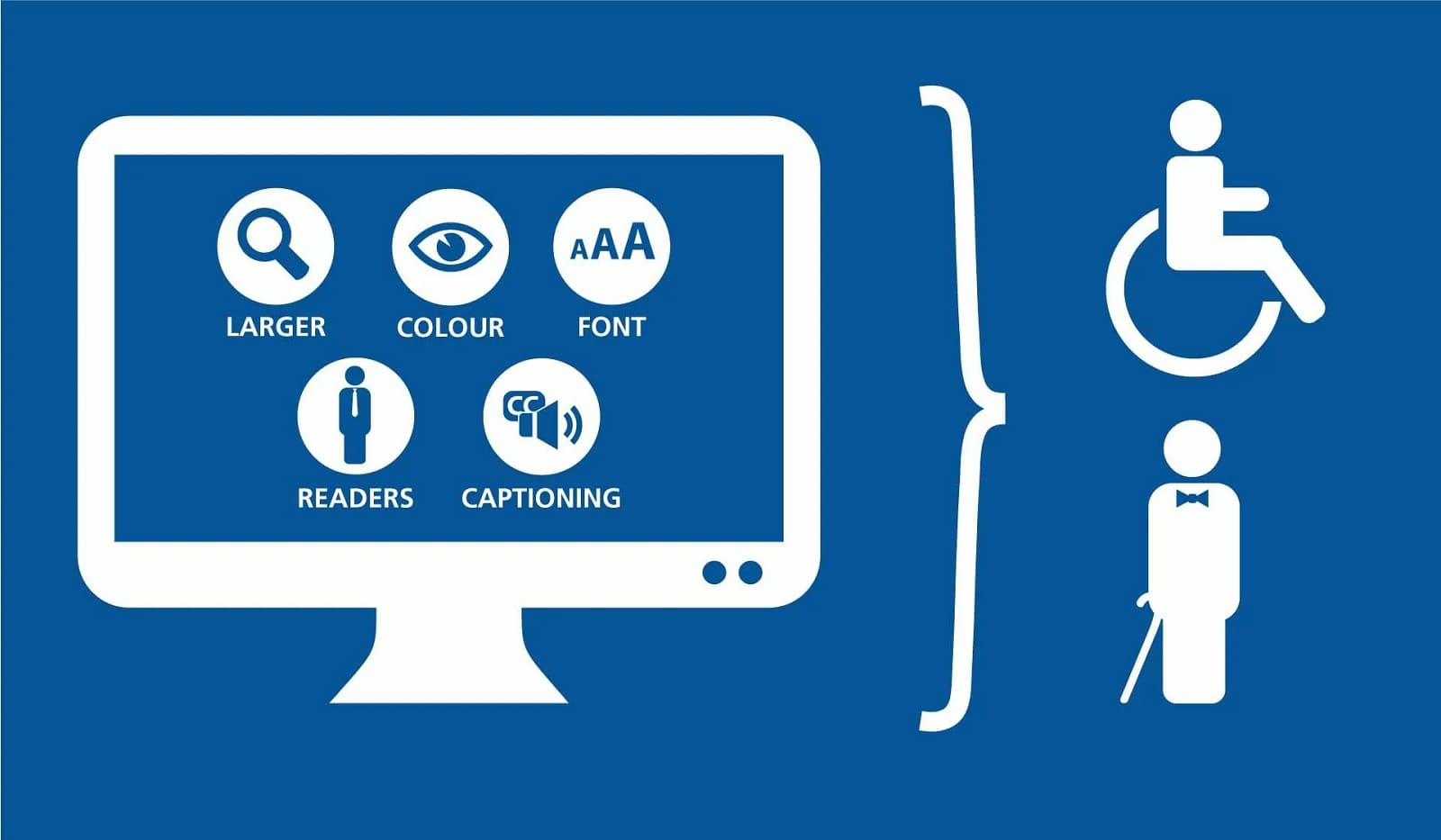
User Experience Enhancement
True inclusion goes beyond technical compliance to create genuinely usable and enjoyable experiences for people with disabilities. This user-centred approach focuses on the quality of interaction rather than merely checking technical boxes.
User experience enhancement involves conducting testing with people with various disabilities, gathering feedback from users of assistive technologies, identifying and removing friction points in user journeys, creating intuitive navigation and interaction patterns, and simplifying complex processes for users with cognitive disabilities.
This focus on actual user experience rather than just technical standards helps organisations create digital properties that are genuinely useful and usable, not merely technically compliant. By involving people with disabilities in the design and testing process, you gain invaluable insights that automated tools and guidelines alone cannot provide.
Many organisations discover that inclusive enhancements improve experiences for all users, not just those with disabilities. Clearer navigation, more intuitive forms, and more robust interactions benefit everyone, creating a universal design that works better across all user segments.
Data-Driven Testing
Comprehensive testing combines automated tools, manual expert evaluation, and real-user feedback to identify barriers that might prevent people with disabilities from using your digital properties.
Effective data-driven testing includes:
- Automated scans using multiple tools to identify technical issues
- Manual expert review by accessibility specialists
- Assistive technology compatibility testing
- User testing with participants with various disabilities
- Performance benchmarking against industry standards
This multilayered approach provides both breadth and depth in evaluation. Automated tools efficiently scan entire sites for certain types of issues, while expert manual testing identifies nuanced problems that automated tools might miss.
The testing data is analysed to identify patterns, prioritise issues, and develop targeted remediation strategies. This data-driven approach helps organisations focus their efforts where they'll have the most significant impact, maximising the effectiveness of remediation resources.
Regular comparative testing also measures progress over time, helping organisations demonstrate continuous improvement in their inclusion maturity—a critical factor in demonstrating good faith efforts toward ADA compliance.

Performance Monitoring
Maintaining usability requires ongoing vigilance through systematic monitoring that identifies new issues before they impact users with disabilities.
Effective performance monitoring includes scheduled automated accessibility scans, key page manual reviews following updates, user-reported issue tracking and analysis, accessibility performance metrics and dashboards, and regression testing after major updates.
This continuous monitoring creates an early warning system that identifies issues introduced by new content, features, or design changes. By catching and addressing these issues quickly, organisations maintain their inclusion status and prevent the accumulation of barriers that would require more extensive remediation later.
Many organisations implement inclusion-focused key performance indicators (KPIs) as part of their monitoring strategy. These metrics might track the number of resolved issues, the percentage of compliant pages, or the frequency of user-reported problems, providing quantifiable measures of performance.

Continuous Compliance
Digital inclusion isn't a destination but a journey requiring ongoing commitment and evolution. Continuous compliance establishes systems and processes that make usability sustainable over time.
Sustainable compliance approaches include:
- Accessibility training programs for staff
- Integration of accessibility checks into content workflows
- Regular policy and procedure reviews
- Keeping up with evolving accessibility standards
- Building accessibility requirements into procurement processes
This systematic approach transforms inclusion from a project to a process, ensuring that new content and features maintain the same high standards established during initial remediation efforts. By embedding considerations into various organisational processes, compliance becomes self-sustaining rather than requiring constant external intervention.
Many organisations find that creating a formal inclusion program with dedicated resources, clear responsibilities, and executive sponsorship significantly enhances their ability to maintain continuous compliance. This programmatic approach treats inclusive design as a core business function rather than a peripheral concern.
Why Choose Our ADA Compliance Agency
HumanswithAi

Certified specialists dedicated exclusively to digital inclusion and ADA compliance with deep knowledge of assistive technologies and relevant standards
Dedicated team of developers, designers, testers and legal advisors specialising in website usability
Comprehensive multi-layered approach including automated testing, manual expert review, assistive technology testing, and testing with users with disabilities
End-to-end implementation services with proven expertise in remediating complex interfaces and content without compromising user experience
Comprehensive documentation prepared specifically for legal protection; stays current with case law and regulatory developments in digital ADA compliance
Proactive monitoring systems detect new issues before they impact users; continuous compliance methodology adapts to evolving standards
Specialised expertise and efficient methodologies deliver comprehensive ADA compliance at predictable costs without diverting internal resources
In-House Team
Limited expertise often split across multiple responsibilities; knowledge gaps in specialised requirements
Restricted by existing workloads and competing priorities; limited specialist resources
Basic automated testing tools without comprehensive manual review capability; limited experience with assistive technologies
Implementation dependent on existing development resources and expertise; often results in implementation backlogs
Documentation typically focused on process rather than legal protection; often lacks legal defensibility
Reactive approach dependent on available resources; inclusion often deprioritised in maintenance cycles
Hidden costs in training, tools, and diverted resources; often results in incomplete or delayed compliance initiatives
Typical Agency
General digital agency with surface-level knowledge; often lacks depth in complex compliance scenarios
May have limited team members with expertise; often outsources specialized testing
Primarily relies on automated testing with limited real-world validation; seldom includes testing with actual users with disabilities
Implementation may be superficial without addressing complex requirements; often lacks assistive technology validation
Minimal documentation that may not satisfy legal scrutiny; rarely includes evidence of good faith efforts toward compliance
Generic maintenance without specific monitoring; new features often introduced without verification
Lower initial costs often lead to higher long-term expenses due to inadequate remediation requiring future rework
Frequently Asked Questions
-
What are the legal risks and penalties for non-compliance with ADA?
Failing to meet ADA compliance requirements can result in significant legal and financial consequences for organizations. Non-compliant websites may face federal civil penalties starting at $75,000 for a first violation and up to $150,000 for subsequent violations. Beyond these statutory penalties, private lawsuits can lead to substantial settlements averaging $10,000-$50,000 per case, plus mandatory legal fees for plaintiffs' attorneys. Organizations may also be required to implement court-mandated remediation plans with specific timelines and oversight, adding further operational costs. The reputational damage from accessibility lawsuits can adversely affect customer trust and brand value. Importantly, the Department of Justice has increasingly prioritized digital accessibility enforcement, making proactive compliance a critical business requirement rather than an optional consideration.
-
How do you ensure ongoing compliance?
Maintaining ADA compliance requires vigilant monitoring of evolving websites through scheduled automated and manual checks, established governance systems with accessibility checkpoints in workflows, comprehensive training programs for team members, thorough documentation of accessibility practices, and ongoing technical support for addressing new challenges—all working together to ensure digital properties remain accessible as content and features change.
-
What is your testing methodology?
HumansWithAI employs a comprehensive testing methodology combining automated tools for broad technical scanning, expert manual evaluation for nuanced assessment, assistive technology compatibility testing with screen readers and keyboard navigation, actual user testing with people with disabilities, cross-browser/device verification, contextual analysis of user journeys, specialized testing for complex interactions, and regression protocols to maintain accessibility as websites evolve—all working together to thoroughly identify and address barriers to digital accessibility.
-
How do you handle legacy content?
Legacy content accessibility challenges are addressed through targeted prioritization strategies that identify high-impact materials for immediate remediation based on usage frequency and legal exposure risk, practical remediation pathways offering options from full updates to accessible alternatives on request, specialized format conversion services that transform inaccessible documents into screen reader-compatible formats, limited use of accessibility overlays as temporary solutions for systems awaiting comprehensive updates, and systematic phase-out strategies that replace problematic content through regular refresh cycles—all providing realistic approaches to managing extensive document libraries and older digital assets.
-
What documentation do you provide?
Comprehensive documentation supports both accessibility maintenance and ADA compliance efforts through detailed audit reports establishing baseline assessments with specific remediation recommendations, thorough remediation records providing evidence of concrete actions taken, formal conformance statements declaring accessibility achievement levels against WCAG guidelines for public posting, established policy frameworks institutionalizing accessibility governance with clear roles and responsibilities, educational training materials supporting ongoing staff development, and specialized legal protection documentation packages that compile evidence of good faith compliance efforts when responding to potential legal challenges.
Our Services
Web Infrastructure & Maintenance Services
In today's digital landscape, professional website maintenance services are essential for business success. According to Gartner's IT Infrastructure Report, organisations with managed web infrastructure experience 99.9% uptime compared to 97% for self-managed systems. Our comprehensive website maintenance solutions work seamlessly with our Digital Experience Development services to ensure your website remains secure, efficient, and optimised for performance.
from $