







CRM Integration Services
Running a successful business in today's digital landscape requires seamless connectivity between all your systems. CRM integration transforms the way organisations manage customer relationships, bringing together disparate data into a single, powerful solution.
Advanced CRM integration solutions
Modern businesses need robust CRM integration solutions that can adapt to their unique requirements. From specialised API development to comprehensive data synchronisation, these solutions form the backbone of efficient business operations.
Custom API development
Building reliable connections between systems requires API development expertise. The right approach to CRM integration ensures that information flows smoothly while maintaining security standards. Professional development teams create customised endpoints that meet specific business requirements, ensuring that each piece of information reaches its destination efficiently.
Modern interface development goes beyond basic connectivity. Development specialists implement sophisticated error-handling mechanisms to ensure robust performance even under peak loads. They also produce comprehensive documentation to facilitate future maintenance and updates. With careful attention to scalability, these solutions grow with your business, adapting to changing needs without requiring a complete overhaul.

Data migration & synchronisation
Moving to a new CRM system or connecting existing platforms requires careful planning. Expert data migration services ensure that no information is lost during the transfer. The process includes thorough validation steps that maintain data integrity throughout the journey from legacy systems to new platforms.
Successful transitions require a methodical approach to data handling. Migration specialists start with a thorough source system analysis, identifying potential challenges before they become problems. They implement sophisticated mapping rules to preserve complex inter-relationships. The process includes multiple validation checkpoints to ensure accuracy at every stage. Advanced reconciliation tools verify that all information is transferred correctly, maintaining business continuity throughout the transition.

System Automation
Automation is at the heart of modern CRM solutions. Intelligent workflows eliminate repetitive tasks, allowing teams to focus on strategic activities. With intelligent automation, organisations can trigger actions based on specific events, ensuring consistent customer communications across all channels.
Advanced automation capabilities transform day-to-day operations. Intelligent routing systems direct requests to appropriate team members based on expertise and availability. Sophisticated scheduling tools coordinate activities across departments, ensuring smooth collaboration. Regular monitoring systems track automation performance and identify opportunities for refinement. This proactive approach keeps business processes running efficiently while adapting to changing needs.
Third party integrations
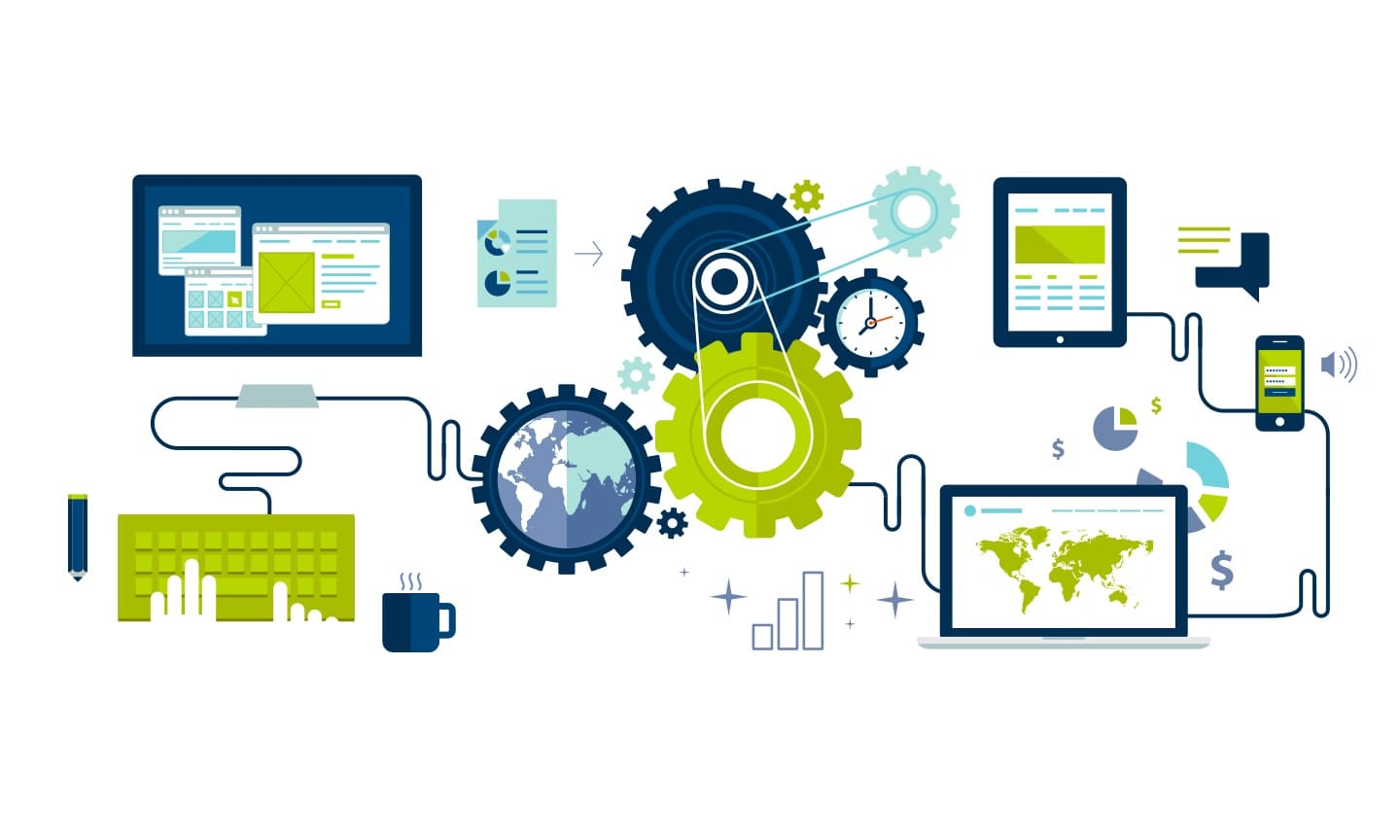
Today's businesses rely on multiple platforms to operate effectively. Professional CRM integration services seamlessly connect tools ranging from payment processors to marketing platforms. The smooth flow of data between all business systems is ensured by this comprehensive approach.
Modern business ecosystems require sophisticated connectivity solutions. Payment gateway connections ensure secure transactions while maintaining customer data consistency. Social media platform integration enables real-time response management and sentiment tracking. Connections to e-commerce systems automatically synchronise stock levels and order status. This multi-platform approach creates a unified digital environment where information flows naturally between systems.
Real-time CRM analytics
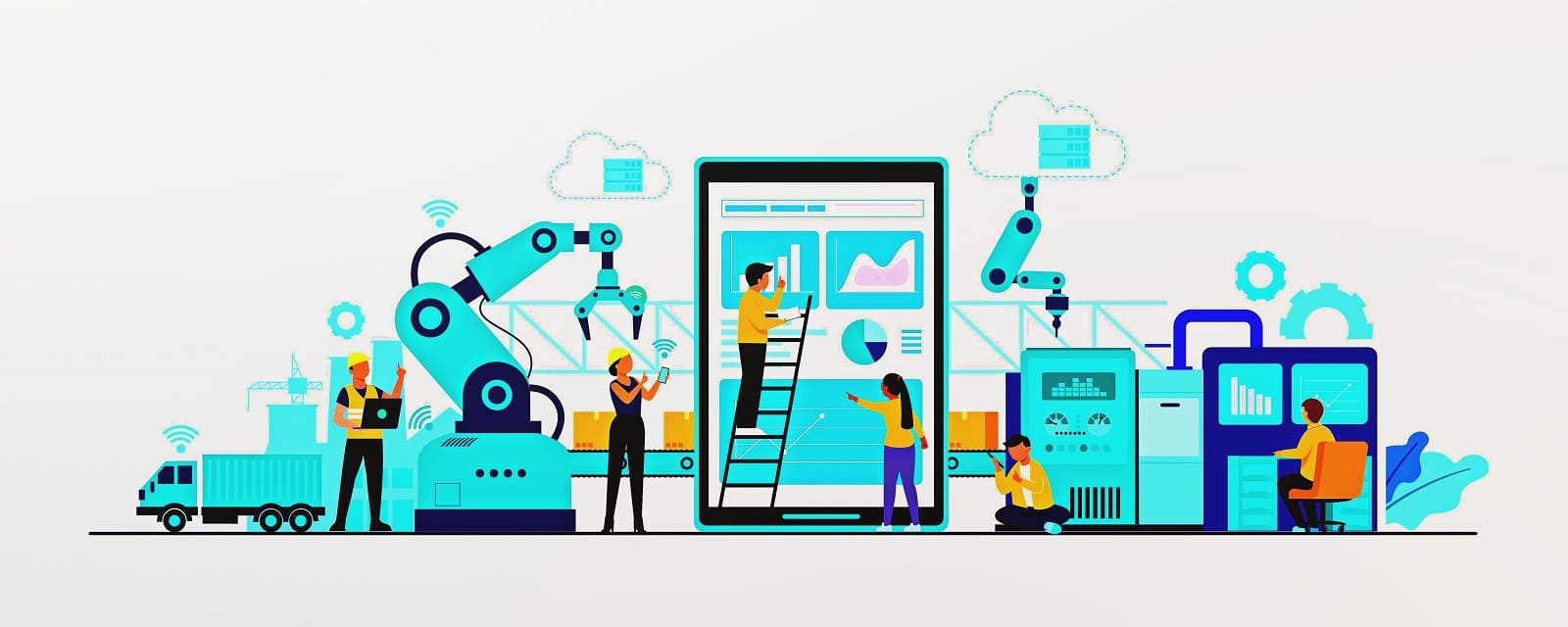
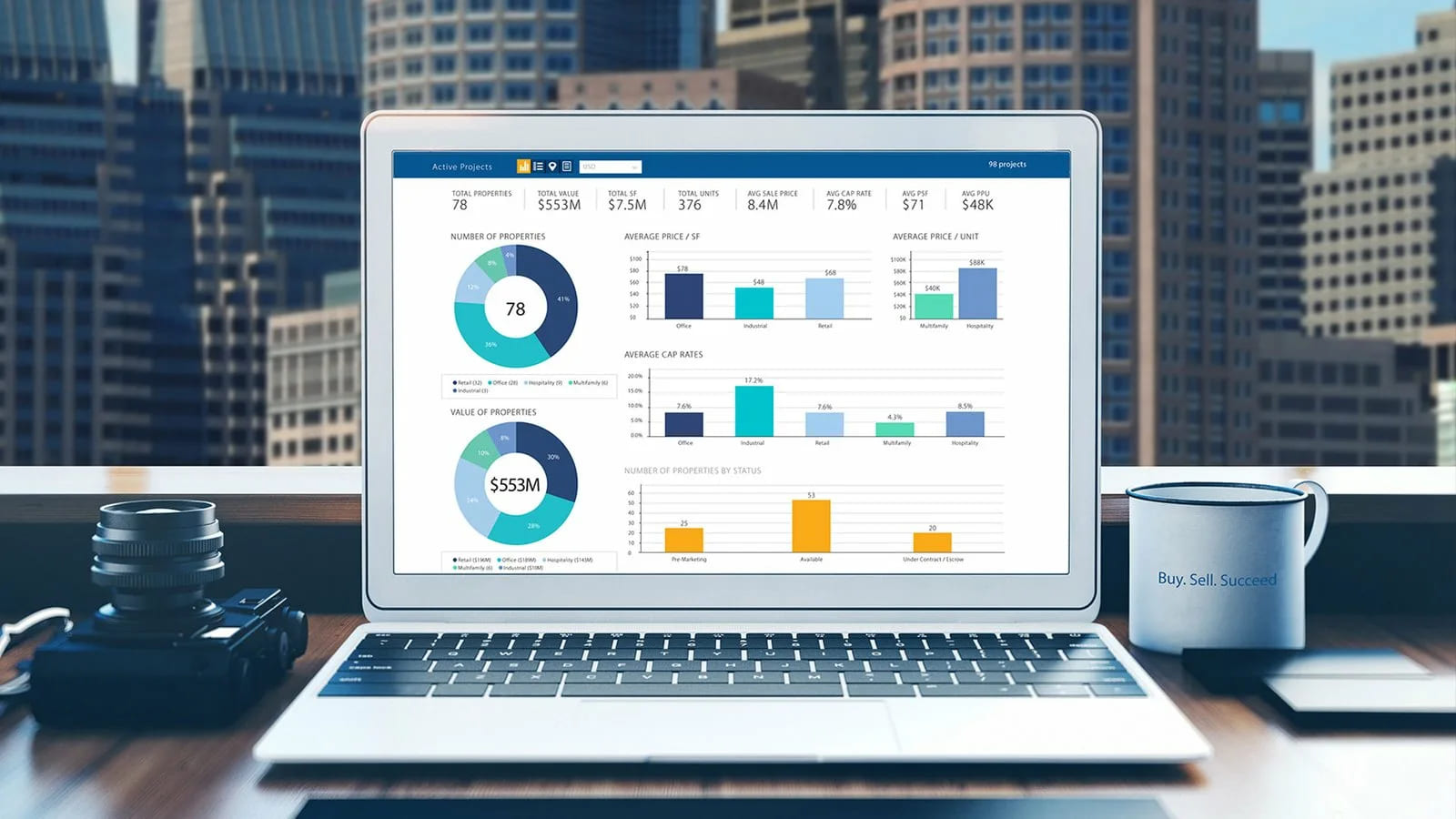
Data-driven decision making requires instant access to accurate information. Advanced CRM analytics powered by industry-leading tools such as Google Analytics, Power BI and Tableau provide real-time insight into business performance. Sophisticated CRM retargeting uses this data to create highly personalised advertising experiences that resonate with your audience. Customisable dashboards in platforms such as Microsoft Power BI and Looker display key metrics to help teams track progress and identify opportunities for growth.
Advanced visualisation tools, from Google Data Studio to Sisense, help turn raw data into actionable information. Interactive reports allow teams to drill down into specific metrics to uncover valuable patterns and trends. Through data-driven CRM marketing strategies integrated with Google Analytics 4 and Adobe Analytics, these insights can be translated into personalised experiences that increase customer lifetime value. Predictive modelling capabilities help predict future results based on historical patterns. Customised alerting systems notify relevant team members when key metrics reach predefined thresholds. This comprehensive approach to analysis enables organisations to make informed decisions quickly and confidently using enterprise-grade analytics platforms.
Benefits of CRM Retargeting
Price of CRM retargeting services from
Choose your currency
 USD
USD
USD
USD
 AED
AED
 EUR
EUR
 GBP
GBP
 RUB
RUB
Our cases
Real-world examples of successful reputation management strategies that delivered lasting impact for our clients
Mastering CRM Integration: From data to insight
Transforming raw business knowledge into actionable insights requires more than just technical expertise. It requires a deep understanding of business processes, customer behaviours and industry dynamics. A strategic approach to systems integration lays the foundation for sustainable growth, enabling organisations to adapt quickly to changing market conditions while maintaining operational efficiency.
Streamline business processes
Effective CRM implementation begins with an understanding of existing workflows and integration touchpoints. Process mapping helps identify areas for improvement, from e-commerce platform synchronisation to call centre telephony integration, leading to streamlined operations. This systematic approach ensures maximum benefit from integration efforts across all customer interaction channels.
Detailed process analysis uncovers hidden inefficiencies and bottlenecks that can hinder productivity. Integration with e-commerce platforms such as Shopify, WooCommerce and Magento ensures real-time order synchronisation, inventory updates and customer data flow. Call centre integration through VoIP systems, IP telephony providers such as Twilio, and virtual PBX solutions enables click-to-call functionality, automated call logging, and intelligent call routing based on CRM data. By examining each step of the business process, specialists can recommend targeted improvements that improve overall performance.
Advanced mapping tools create visual representations of workflows, making it easier to identify opportunities for streamlining and automation. Integration with telephony systems enables features such as automated customer card pop-ups on inbound calls, call recording storage linked to customer profiles, and sophisticated IVR systems that leverage CRM data. E-commerce integration enables unified customer profiles that combine online shopping behaviour, support interactions and sales history. This comprehensive approach to process optimisation leads to measurable improvements in operational efficiency.
Advanced business intelligence tools enable organisations to gain deeper insight into operational patterns and user behaviour across all channels. Call analytics integrate with CRM data to track key metrics such as first call resolution and average handle time, while e-commerce integration provides insight into customer journey touchpoints and conversion patterns. This insight drives continuous improvement initiatives and helps teams adapt their processes to changing market demands. Sophisticated analytics measure the impact of process changes, ensuring that improvements deliver tangible business value across both digital and traditional communication channels.
Cross-platform connectivity
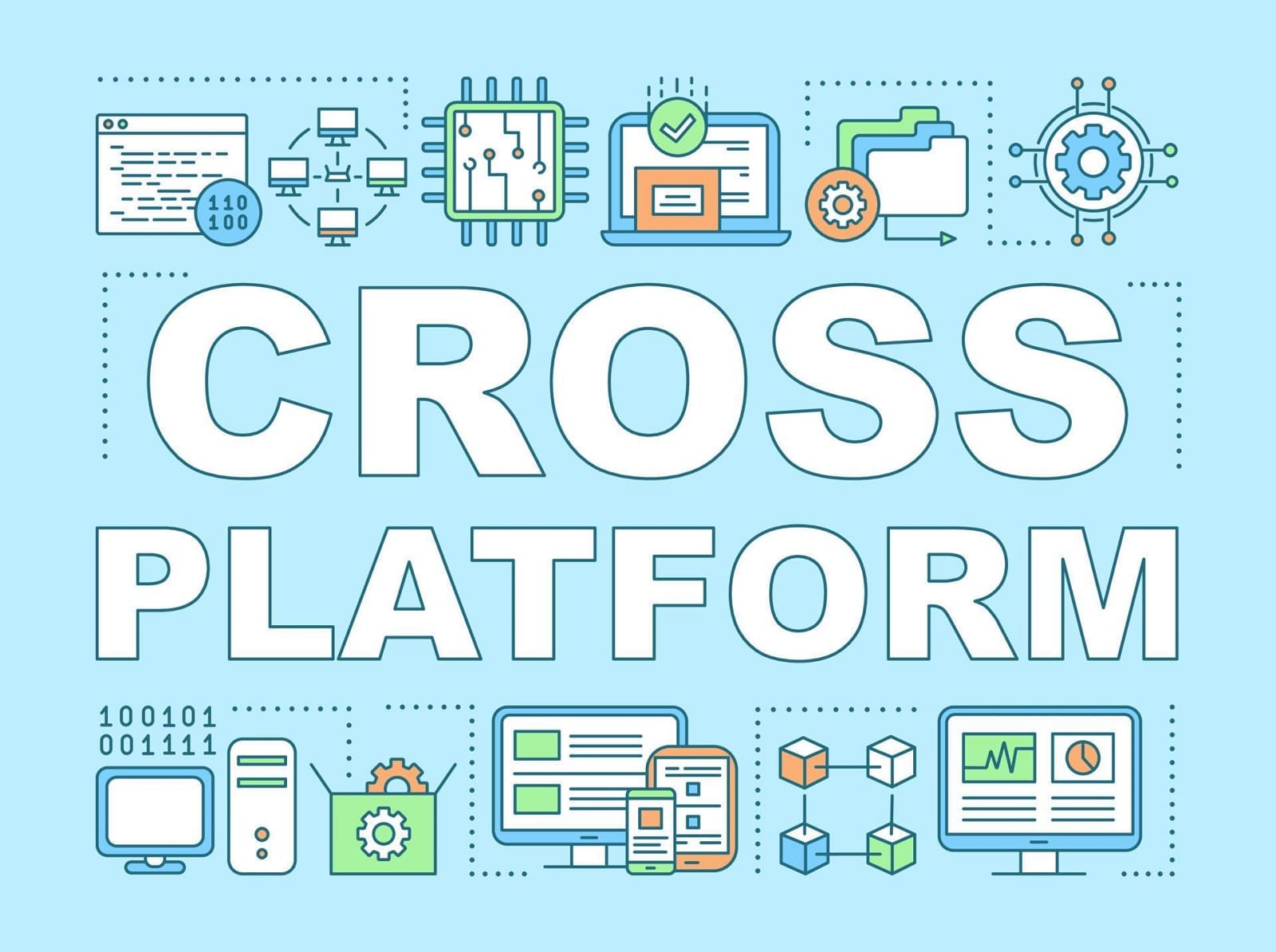
Modern businesses use multiple platforms every day. Sales teams need access to customer details across multiple systems. Robust integration ensures seamless data flow between platforms. Consistency and accuracy are maintained.
Advanced connectivity protocols enable smooth communication between different business tools. Real-time synchronisation keeps information current across platforms, eliminating silos and reducing manual updates. Sophisticated error-handling mechanisms ensure reliable data exchange, even during peak usage periods. This comprehensive connectivity approach creates a unified digital ecosystem where information flows naturally between applications.
Implementation specialists use enterprise-grade middleware solutions to create robust connections between disparate platforms. These connections automatically adapt to system updates and changes, minimising maintenance and ensuring consistent performance. Built-in monitoring tools provide instant alerts of connectivity issues, enabling rapid response to potential disruptions.
Intelligent workflow design
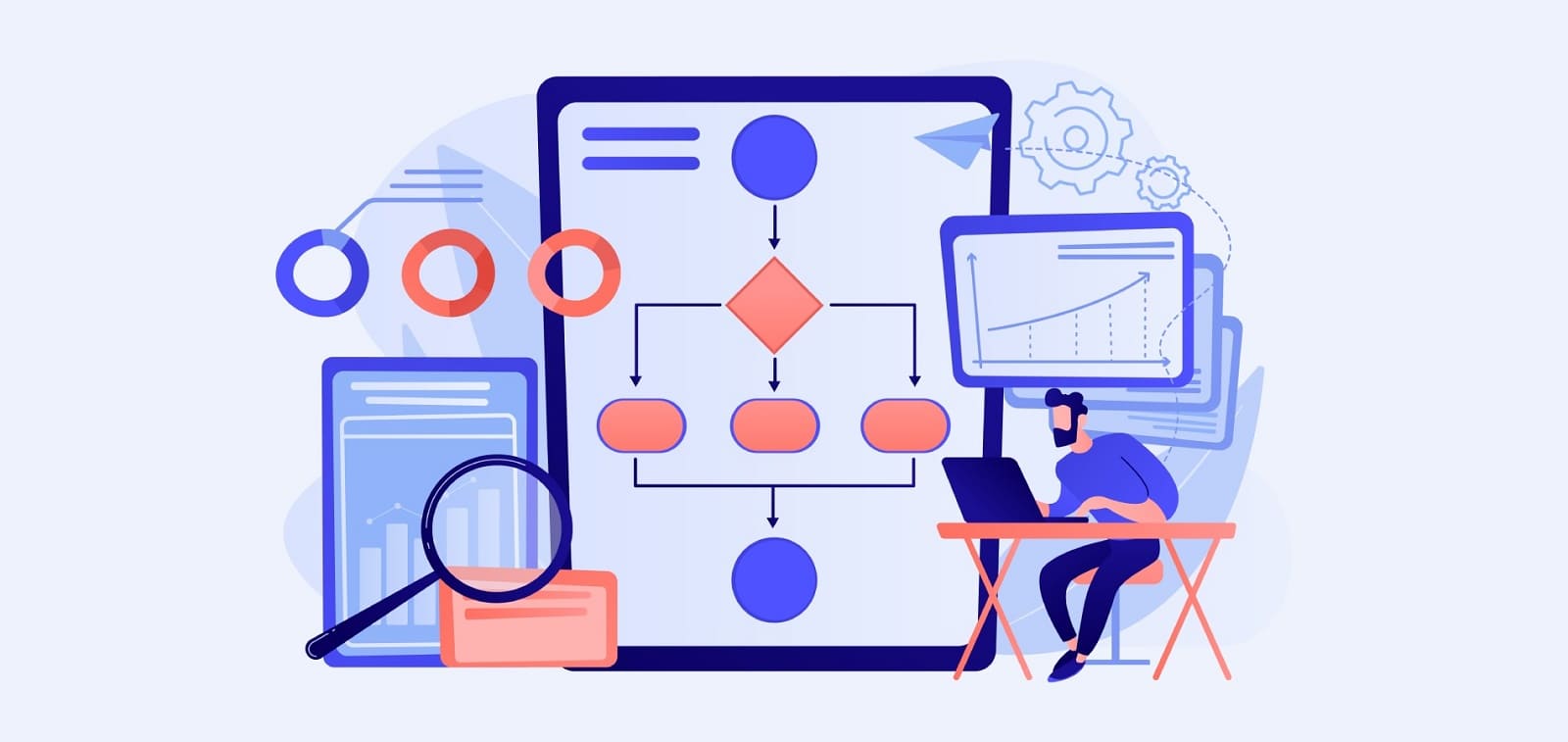
Intelligent workflow design enables efficient operations. The right software implementation automates routine tasks while maintaining flexibility for unique business needs. This approach saves time and reduces errors in day-to-day operations. Just as professional website design creates seamless user experiences through intelligent interface solutions, advanced routing algorithms direct tasks to appropriate team members based on expertise and availability.
Dynamic workflow paths adapt to changing conditions, ensuring optimal process flow under different scenarios. Built-in validation checks maintain data quality at every stage of the process, while automated notifications keep stakeholders informed of important developments. This intelligent approach to workflow management maximises operational efficiency while maintaining process integrity.
Machine learning capabilities increase workflow intelligence over time, identifying patterns and suggesting optimisations based on historical performance evidence. Intelligent escalation protocols ensure that critical tasks receive immediate attention, while load-balancing features evenly distribute work across available resources. This advanced approach to workflow management creates a self-improving system that becomes more efficient with use.
Data-first approach to integration
Successful integration puts data quality first. A systematic approach ensures accurate information flows between systems, maintaining data integrity throughout. This foundation supports reliable business intelligence and decision making.
Quality assurance protocols ensure the accuracy of information at every stage of the integration process. Advanced validation rules catch inconsistencies before they affect business operations. Sophisticated information governance frameworks ensure compliance with industry regulations while maintaining efficient workflows. By implementing robust master data management strategies, organisations maintain a single source of truth across all connected platforms.
Enterprise-class tools for data enrichment improve information quality through automated cleansing and standardisation processes. Intelligent matching algorithms identify and merge duplicate records, while advanced classification systems organise information for optimal accessibility. This comprehensive approach to data management provides a solid foundation for advanced analytics and business intelligence initiatives.

Performance monitoring
Regular system health checks ensure optimal performance. Monitoring tools track key metrics to help maintain peak efficiency. This proactive approach prevents problems before they impact business operations.
Advanced analytics tools provide deep insight into system behaviour patterns. Real-time monitoring dashboards alert administrators to potential bottlenecks before they impact users. Automated diagnostic routines regularly test system components to ensure reliable operation. Historical performance data helps identify trends and predict future resource requirements, enabling proactive system optimisation.
Sophisticated machine learning algorithms analyse performance patterns to identify potential optimisation opportunities. Predictive maintenance capabilities help prevent system problems before they occur, while intelligent resource allocation ensures optimal performance during peak usage periods. This advanced approach to monitoring creates a self-optimising environment that continuously adapts to changing business needs.

Automation possibilities
From sales processes to customer service, automation drives efficiency. Powerful Salesforce automation solutions can streamline these processes while optimising lead management and customer journeys. Identifying and implementing automation opportunities helps teams focus on high-value activities. This strategic approach maximises the return on technology investments.
Intelligent algorithms analyse task patterns to suggest new automation opportunities. Machine learning capabilities help refine automated processes over time, improving accuracy and efficiency. Advanced scheduling systems coordinate complex, multi-step processes across departments. By implementing intelligent routing rules, organisations can ensure smooth workflow transitions while maintaining process integrity.
Natural language processing capabilities enhance automated customer interactions, while intelligent document processing streamlines the extraction of information from disparate sources. Advanced decision engines automate complex business rules, adapting to changing conditions while maintaining compliance with established policies. This sophisticated automation framework creates a responsive business environment that scales efficiently with growth.

Why choose our AI optimisation agency
HumanswithAi

Dedicated team of integration specialists with deep multi-platform agency expertise
Enhanced security protocols and compliance standards
24/7 technical support with fast response times
Full documentation and knowledge transfer
Regular system updates and proactive maintenance
Proven track record with enterprise-level projects
Customised solutions based on industry best practice
Typical Agency
Limited expertise focused on basic integrations
Basic security measures
Limited business hours support
Basic usage guidelines
Reactive maintenance approach
Limited experience of complex implementations
Standard solutions with minimal customisation
In-House Team
Small team with general technical knowledge
Variable security implementation based on team knowledge
Support subject to team availability
Often lacks proper documentation
Updates based on immediate needs
Experience limited to in-house projects
Solutions limited by team skills
Frequently Asked Questions
-
What platforms do you support?
Integration specialists work with all major customer management platforms, including Salesforce, HubSpot, Microsoft Dynamics, amoCRM, Kommo CRM and many others. The development team also creates custom connections for proprietary systems and specialised business applications. This flexibility ensures that any organisation can benefit from seamless data integration, regardless of the platform they choose.
Beyond standard platforms, the technical team develops custom connectors for industry-specific solutions and legacy systems. Whether you're using cloud-based solutions such as amoCRM's digital pipeline management or Kommo CRM's automated workflows, or running on-premises software, our specialists ensure smooth interoperability. Advanced API development capabilities enable integration with emerging technologies and innovative business tools, future-proofing your digital infrastructure. Our experience with both global platforms and regional leaders such as amoCRM and Kommo CRM ensures that we can support diverse business needs across different markets.
-
How is data security maintained?
Security remains a top priority throughout the integration process. Multiple layers of protection include end-to-end encryption, secure API protocols and regular security audits. Access controls ensure that only authorised personnel can view sensitive information. All implementations comply with key privacy regulations, including GDPR and CCPA, providing peace of mind for organisations handling sensitive customer data.
Advanced threat detection systems continuously monitor data flows for potential security risks. Regular penetration testing validates security measures, while automated compliance checks ensure ongoing adherence to industry standards. The security framework adapts to emerging threats through regular updates and proactive vulnerability management, maintaining robust protection for your business data.
-
What metrics track success?
Success monitoring includes several key performance indicators. These include system response times, data synchronisation accuracy rates, user adoption metrics and process automation efficiency. Regular reporting provides insight into time saved through automation, reduction in manual errors and improvements in customer response times. These measurements help quantify return on investment and identify areas for further optimisation.
Advanced analytics platforms use machine learning algorithms to identify performance trends and predict potential bottlenecks. Customised monitoring dashboards visualise complex metrics in easy-to-use formats, enabling rapid decision-making. Integration effectiveness scores combine multiple performance indicators to provide a comprehensive measure of success, helping organisations track improvement over time.
-
How does continuous sync work?
Modern synchronisation systems operate in real time, ensuring data consistency across all connected platforms. Intelligent queuing mechanisms handle high-volume file transfers efficiently, while conflict resolution protocols maintain data integrity. The system automatically retries failed synchronisations and alerts administrators to any issues that require attention. This ensures reliable data flow while minimising the need for manual intervention.
Intelligent load balancing algorithms optimise synchronisation performance during peak usage periods. Delta synchronisation techniques reduce bandwidth requirements by transferring only changed data. Advanced error recovery mechanisms automatically resolve common synchronisation problems, maintaining system reliability while reducing administrative overhead.
-
What support options are available?
Comprehensive support packages are available to meet different business needs. These include 24/7 technical support, regular system health checks and proactive maintenance services. Dedicated account managers help with strategic planning and optimisation recommendations. Training programmes ensure team members can effectively use all integrated systems, while detailed documentation supports internal IT teams.
Enterprise-level support includes priority incident response and dedicated technical consultants. Advanced monitoring tools enable proactive problem identification and resolution. Regular strategy sessions with integration experts help organisations adapt their systems to changing market demands, ensuring the long-term success of their digital transformation initiatives.
Our Services